



P
ersonal style is not about following every fashion trend or having an expensive wardrobe. It is about understanding what suits you, choosing clothes that make you feel confident, and learning how to put different pieces together effortlessly.
Whether you are heading to work, attending a casual gathering, going on a date, or simply stepping out for the day, a few basic styling principles can make a significant difference.
Here are some practical style tips every woman should know.
1. Understand Your Personal Style
Before buying new clothes, understand what you actually enjoy wearing.
Some women prefer minimal and elegant outfits, while others love bold colours, prints, or contemporary fashion. Your personal style can change over time, and that is completely normal.
Start by identifying:
- Colours you regularly wear
- Clothing silhouettes you feel comfortable in
- Your preferred level of formality
- Accessories you enjoy
- Outfits that consistently make you feel confident
Building a wardrobe around your personality is much more useful than simply copying fashion trends.
2. Focus on the Fit
One of the most important fashion rules is simple: fit matters more than the price tag.
Even an expensive outfit can look ordinary if it does not fit properly. On the other hand, a reasonably priced outfit can look sophisticated when the proportions are right.
Pay attention to:
- Shoulder seams
- Waist placement
- Trouser length
- Sleeve length
- Overall proportions
If necessary, consider getting important pieces tailored. Small adjustments can make a major difference to how an outfit looks.
3. Build a Strong Wardrobe Foundation
You do not need hundreds of clothes to create different outfits. A collection of versatile basics can give you numerous combinations.
Consider having:
- A well-fitting pair of jeans
- Neutral trousers
- A white or neutral shirt
- A simple black dress
- A blazer
- Comfortable everyday footwear
- A versatile handbag
- Basic T-shirts or tops
- A lightweight jacket
- Simple jewellery
These pieces can be mixed and matched for casual, professional and semi-formal occasions.
4. Learn How to Combine Colours
Colour coordination can instantly make an outfit look more polished.
If you are unsure, start with neutral shades such as black, white, beige, navy, grey and brown. You can then introduce one stronger colour through your top, shoes, handbag or accessories.
For example, a neutral outfit with a bold handbag can create an interesting look without becoming overwhelming.
A useful rule is to avoid wearing too many competing colours at once unless you deliberately want a statement look.
5. Use Accessories Strategically
Accessories can completely change a simple outfit.
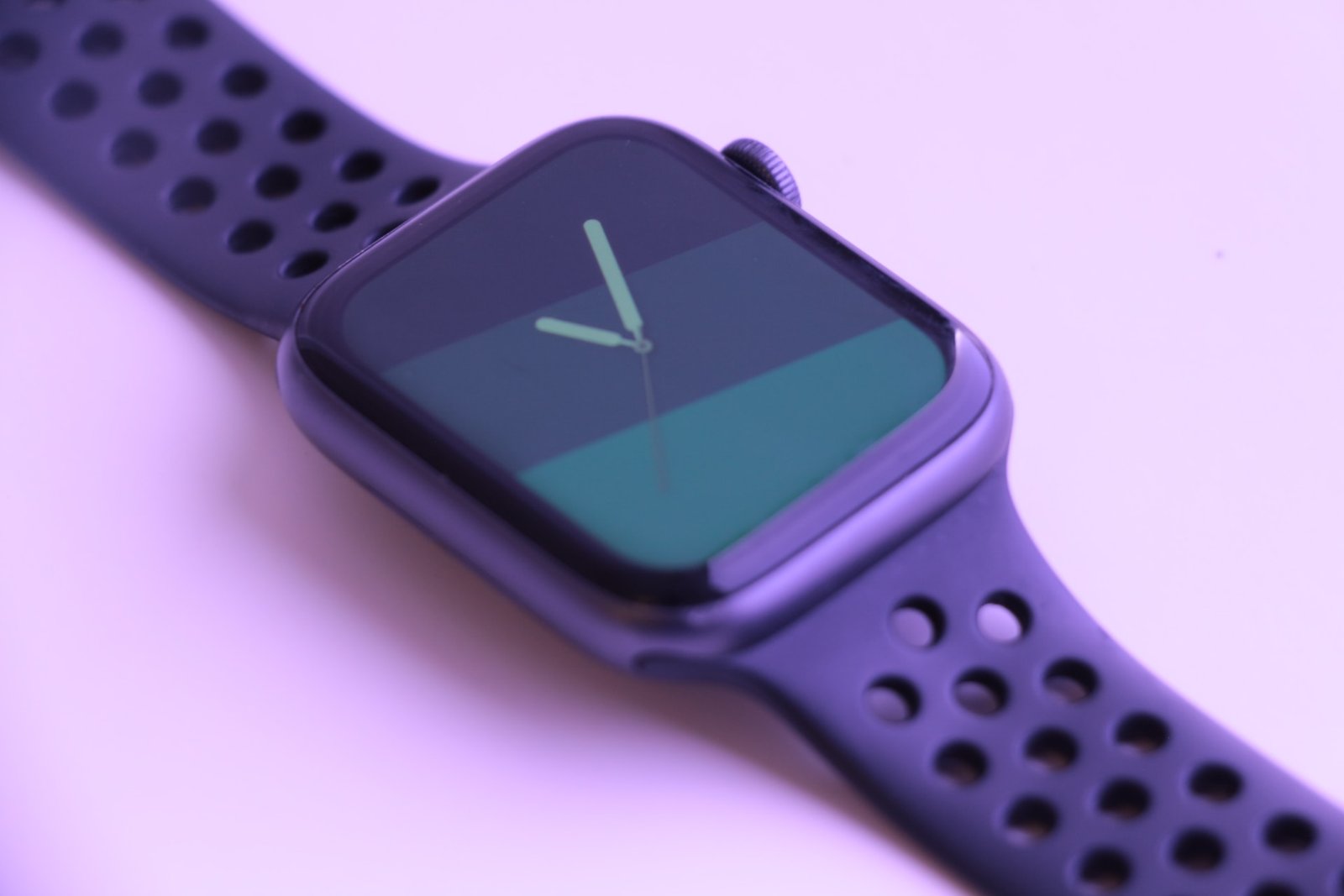
A watch, earrings, necklace, belt, sunglasses or handbag can add personality to otherwise basic clothing.
However, more accessories do not necessarily mean a better outfit. If your clothing already has bold patterns or details, consider keeping your accessories simple.
For a minimal outfit, a statement accessory can become the focal point.
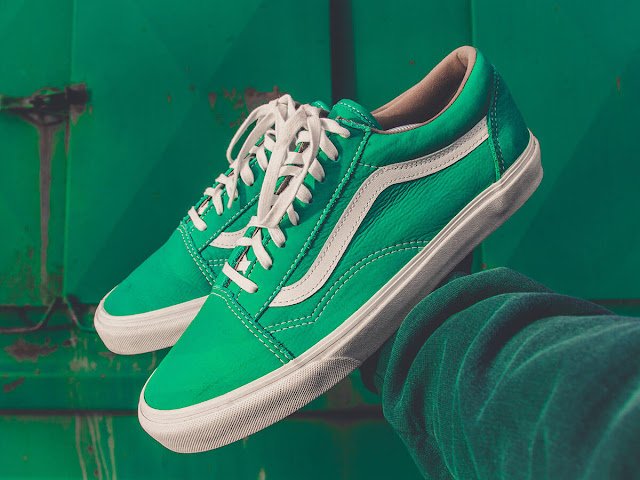
6. Invest in Good Footwear
Shoes are often overlooked, but they can dramatically affect the overall appearance of an outfit.
A few versatile options can cover most situations:
- Clean white sneakers
- Comfortable flats
- Classic heels
- Ankle boots
- Simple sandals
Choose footwear that works with multiple outfits rather than buying shoes simply because they are currently trending.
Comfort matters too. If you cannot walk comfortably in your shoes, they are unlikely to become a wardrobe favourite.
7. Dress for the Occasion
One of the easiest ways to look stylish is to understand the dress code.
An outfit that works perfectly for brunch may not be appropriate for a business meeting. Similarly, a formal outfit may look out of place at a casual gathering.
Before getting dressed, consider:
Where am I going? Who will I meet? What will I be doing?
These three questions can help you choose an outfit that feels appropriate without sacrificing your personal style.
8. Don’t Follow Every Trend
Fashion trends can be fun, but you do not need to adopt every trend.
Instead, ask yourself whether a particular trend:
- Suits your personality
- Works with your existing wardrobe
- Is comfortable
- Can be worn more than once
- Makes you feel confident
A timeless wardrobe combined with a few modern pieces often creates a more sophisticated look than a wardrobe filled entirely with temporary trends.
9. Pay Attention to Grooming
Style is not only about clothing.
Clean and well-maintained shoes, neat hair, healthy-looking skin, properly cared-for nails and fresh clothing can make an outfit look significantly better.
You do not need an elaborate beauty routine. Consistency and cleanliness often have a greater impact than expensive products.
10. Confidence Is the Most Important Accessory
The most important style tip is to wear your clothes with confidence.
There is no single definition of what a stylish woman should look like. Fashion should help you express yourself rather than make you feel pressured to look like someone else.
Experiment with different silhouettes, colours and combinations. Keep the pieces that make you feel comfortable and confident, and let go of clothing that no longer represents you.
Final Thoughts
Great personal style does not require a huge wardrobe or an unlimited shopping budget. It starts with understanding your preferences, choosing the right fit, investing in versatile essentials and learning how to combine colours, accessories and footwear.
Most importantly, style should feel personal. Trends will change, but confidence, good fit and a well-curated wardrobe will always remain fashionable.